Your Daily Dose of South African News
Contact usYour Daily Dose of South African News
Contact us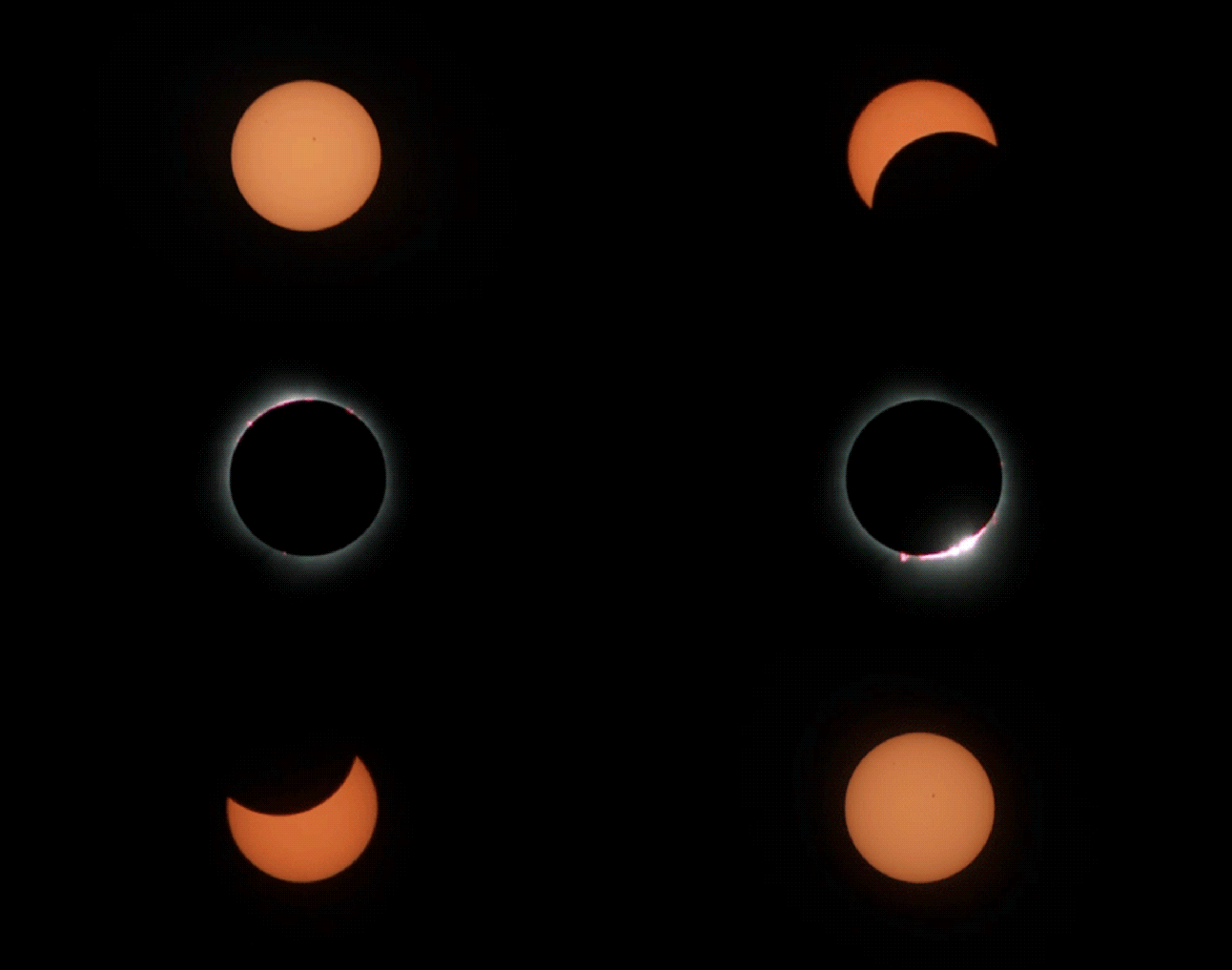
The moon will conceal the sun for a good few minutes (Picture: Metro)
On August 12,the UK’s sky will darken even as the sun shines.
Temperatures will drop,the wind will shift,birds will quieten and next to what was once the bright sun will be the twinkle of planets and stars.
The world will see one of the longest solar eclipses on August 12 at more than six minutes – the next one this long won’t be for another 157 years.
Here’s everything you need to know about this rare celestial dance.
By some cosmic fluke,the moon and the sun appear the same size in the sky. The moon is 400 times smaller than the sun,but it is 400 times closer.
So now and then,when the stars literally align,the moon obscures the sun and casts a long shadow across Earth,darkening sunlit skies.
The event begins with a partial solar eclipse,as the moon takes a small bite of the sun’s fierce rays.
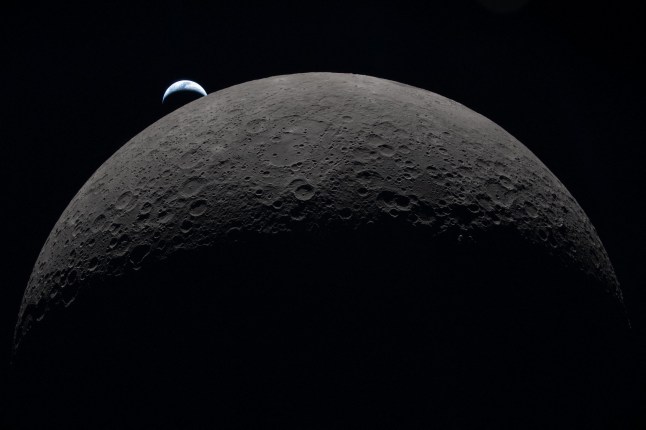
This little grey orb will manage to block our giant sun soon (Picture: AFP)
When the moon blots out the sun,this is called totality. Wispy light will leak out of the moon as the corona,the halo of hot gas that surrounds the sun,continues to shine.
And,if you’re lucky enough,the 15,200,000 people who will see totality might spot a reddish-pink circle around the edge of the moon.
This is the sun’s hydrogen-filled chromosphere,an atmospheric layer below the corona.
Totality will be brief – only about two minutes or so,according to Nasa,depending on where you are – before the moon and sun part ways.
After that,the sun will slowly peek out from behind the moon,offering a second partial eclipse in case you missed the first.
It might seem to be happening slowly,but the moon’s shadow is racing across the Earth as fast as 3,000mph,according to eclipse calculators.
So how much of the solar eclipse you’ll see will depend on where you live – you can use this map to see where the path of totality is,which stretches some 5,100 miles from the top of the Earth to the Mediterranean Sea.
‘To see a total eclipse you will need to head to northern Spain,or get on a boat and head out into the Atlantic!’ says Dr Megan Argo,a reader in astrophysics at the University of Lancashire.
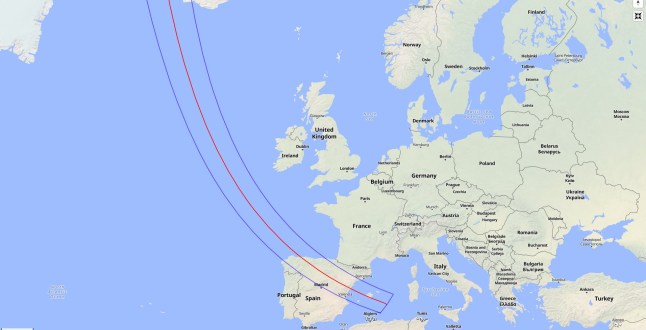
The UK will miss totality by a few hundred miles (Picture: Nasa)
We won’t see totality but ‘partial’ for the UK means that 3% of the sun will be visible in some parts.
‘The eclipse will be strongest the further west and south you are,so Cardiff and Belfast will see slightly more of the sun eclipsed than either London or Edinburgh,’ says Dr Argo.
‘Having a view of the sea and the horizon to the west is ideal,so the best spots in the UK will be on the Pembrokeshire,Gower,Devon and Cornwall coasts.’
Jamie Carter,a travel and astronomy writer,says that while Scotland and Cornwall will get the best views,you don’t need to travel.
‘Everyone in the UK will get a very similar view,’ the author of A Stargazing Program for Beginners: A Pocket Field Guide says.
Find a spot with a clear horizon and no skyscrapers,hills or other obstacles. Check the weather report in case of clouds or rain.
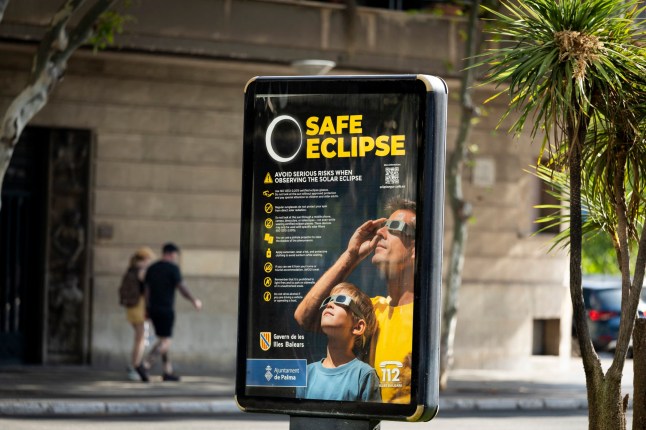
Totality is the only moment you can watch the celestial dance with the naked eye (Picture: AFP)
See if your area has an astronomy club,too,while some groups are organising viewing parties,such as in Cardiff and Leicester.
For accurate timings in your location,Carter recommends timeanddate.com.
But make sure you do try to catch it. ‘This will be the deepest partial eclipse in the UK since 2015 and until 2090,’ Carter says
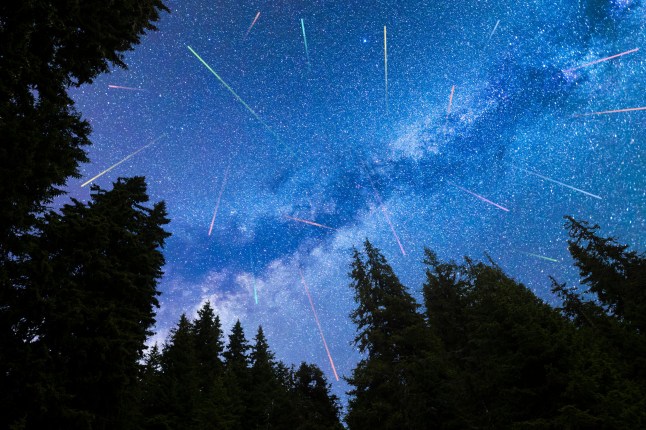 You’ll see this right after the eclipse – a two-for-one celestial special (Picture: Shutterstock/Belish)‘But the best time to look will be about 2am on August when you might see as many as 50 per hour,’ Carter says. (Use this meteor meter to see how many are raining down).‘The darker your location,the more you’ll see,but some Perseids can be really bright.’For Carter,August 12 will be quite the light show – but it won’t be the last. The next total solar eclipse,while not as long as this one,will be August 2,2026,with northern Spain once again the best place to be.‘That will be the last time there’s a total solar eclipse anywhere near Europe for a long time,’ Carter adds.Get in touch with our news team by emailing us at .For more stories like this,check our news page.
Jul 30, 2026
Jul 27, 2026
Jul 23, 2026
Jul 22, 2026
